
- Related
- Raleigh
- Raleigh City Council
- data center
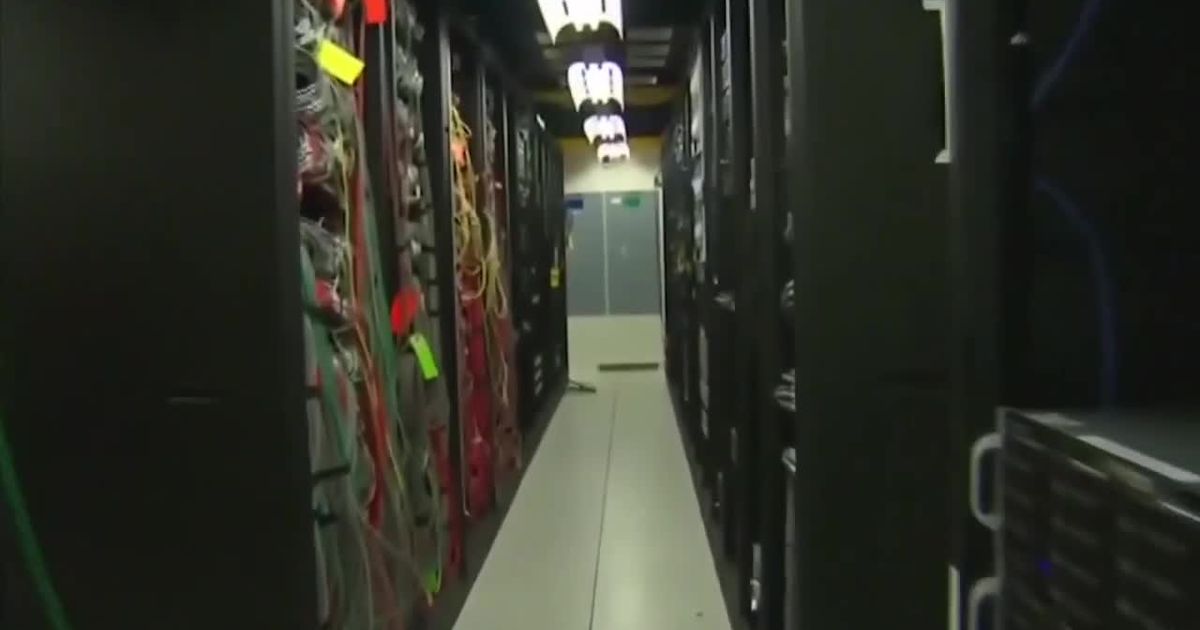
Raleigh leaders voted to put a pause on developing new, larger data centers for six months, as community advocates push for a 32-month pause to study the impacts and give residents more say.
The measure passed in a 7-1 vote, with councilmember Christina Jones voting against the moratorium. A group advocating for a longer moratorium expressed frustration after the moratorium passed, saying it wasn’t long enough.
The moratorium is shorter than the 12-month pause Apex approved in April and the 18-month pause Cary adopted in August. Raleigh’s draft sets aside 60 days for research and drafting rules, followed by 120 days to move proposed changes through the legislative process.
Mary Black, who served on Raleigh City Council from 2022 to 2024 and is now a community organizer for the Raleigh Anti-Data Center Coalition, says that leaves too little time to involve people who could live near the facilities.
“What we want is transparency and input in the process, and that’s going to take more than six months,” Black said.
WRAL contacted Mayor Janet Cowell and every council member on Monday and Tuesday morning to ask why six months was chosen, whether that would be enough time, and whether they would support an extension if new guidelines were not ready. They had not responded as of publication.
Why six months?
The draft ordinance says Raleigh needs time to address the development, infrastructure, and environmental impacts of larger data centers.
It identifies potential concerns, including electricity and water demand, noise, light pollution and heat islands. While Raleigh has general industrial development rules, the draft says it lacks standards specific to larger data centers.
It also warns that infrastructure needed to serve those facilities could create significant burdens for the city’s water utility and its ratepayers.
During the first 60 days, staff would study impacts, draft proposed changes and examine how other communities regulate data centers. A team of staff experts would coordinate that work. The final 120 days would be used to propose code amendments and follow the legislative adoption process.
The draft calls that six-month period necessary to complete the work. It does not explain why Raleigh’s schedule is shorter than those in Cary and Apex.
Black said adopting regulations within six months may be possible, but meaningful community engagement would take longer. She said the coalition’s request for 32 months would allow more time for research, rulemaking and public involvement.
In September, Cowell told WRAL the pause would allow a conversation about an issue that had become highly emotional. She also said Raleigh wanted to protect residents while preserving its role as a technology and research hub.
“This is a tech center,” Cowell said.
Neighboring towns have longer timelines
Cary unanimously approved an 18-month moratorium Aug. 27 to study power demand and grid capacity, water consumption, noise and vibration, site design and buffering. Staff will provide progress updates, with a decision on an ordinance expected in February 2028.
Cary’s schedule includes technical studies, community engagement and regional coordination through spring 2027, followed by draft ordinance review that summer and public hearings and board consideration before a council decision.
Apex unanimously approved a one-year moratorium on April 14 after a developer withdrew a proposed data center near the Shearon Harris Nuclear Plant. Mayor Jacques Gilbert previously told WRAL the pause would allow more research into water and electricity use and potential costs to residents.
Pushback over neighborhood impacts and transparency
Raleigh’s debate follows substantial opposition to a proposed data center near Jones Sausage and Rock Quarry roads in Southeast Raleigh.
In August, 30 of the 32 people expected to speak at a public hearing had signed up in opposition, according to a sign-up sheet WRAL obtained. The developer subsequently withdrew its annexation request.
Mayor Pro Tem, Jane Harrison, said in August that she wanted residents to better understand the approval process and wanted more notice when larger projects came before the Board of Adjustment.
“I just want to make sure that we all understand how this process currently works,” Harrison said.
Black said public hearings alone do not provide enough opportunity to reach residents and understand their concerns. She wants council members to engage people where they live, work and play.
Supporters point to jobs, tax revenue and innovation
Data center supporters say the facilities can generate investment and tax revenue while supporting the technology behind modern services and artificial intelligence.
During a recent visit to Duke Energy’s Roxboro coal plant in Person County, U.S. Energy Secretary Chris Wright described data centers as “intelligence factories” and linked their growth to the Trump administration’s economic agenda.
“So we can spur economic growth, generate revenues for local communities, drive up wages for workers,” Wright said. “To do that, you need more energy, not less energy.”
In a statement to WRAL, the Data Center Coalition, an industry group representing companies including Amazon, Google, Microsoft and Meta, urged local leaders to pursue regulations instead of moratoriums.
“Rather than enacting moratoriums, which will discourage investment and send signals that the community is closed for business, local leaders should work with the industry and all stakeholders to establish reasonable regulatory frameworks that meet the needs of the community without deterring the industry and the benefits it can bring,” said Christy Tarallo, the group’s Southeast director of government affairs.
During legislative debate in June, coalition state policy director Khara Boender said the industry contributed $18.5 billion to North Carolina’s gross domestic product in 2024, supported more than 117,000 jobs and generated approximately $1.4 billion in state and local tax revenue. Those are the coalition’s statewide economic-impact figures, rather than a count of permanent positions at a single facility.
Black questioned how much of the promised economic benefit would reach surrounding communities and called for project-specific information.
“I would say, show us the numbers,” she said.
Which facilities could still move forward?
Raleigh’s proposed pause would cover development approvals for larger principal-use and accessory-use data centers, including applications for city water and sewer extensions and connections.
Smaller standalone facilities would be exempt if they have no on-site personnel, a combined building and land footprint of 10,000 square feet or less — roughly two professional basketball courts — and peak electricity demand of 5 megawatts or less.
Qualifying internal server facilities supporting on-site operations at hospitals, schools, offices and similar uses would also be exempt within those size and power limits. Other exemptions required by state law would remain.
If adopted as drafted, the moratorium would run through April 6, 2027. It could end sooner if the council adopts the resulting code amendments

1 Comment
Pingback: Using AI to mitigate the growing environmental threat of data centers - Axiom Core