

Reporting pushback on <a href="https://axiomcore.info/qualcomm-lands-amazon-deal-to-build-custom-ai-data-center-chips/" title="Qualcomm lands Amazon deal to build custom AI data center chips”>data centers in Massachusetts, Gov. Maura Healey on Tuesday announced that state agencies won’t issue permits to such projects unless the city or town it’s in approves it. Her opponent in the governor’s race, Mike Minogue, addressed the issue on Tuesday as well, tying it to energy infrastructure.
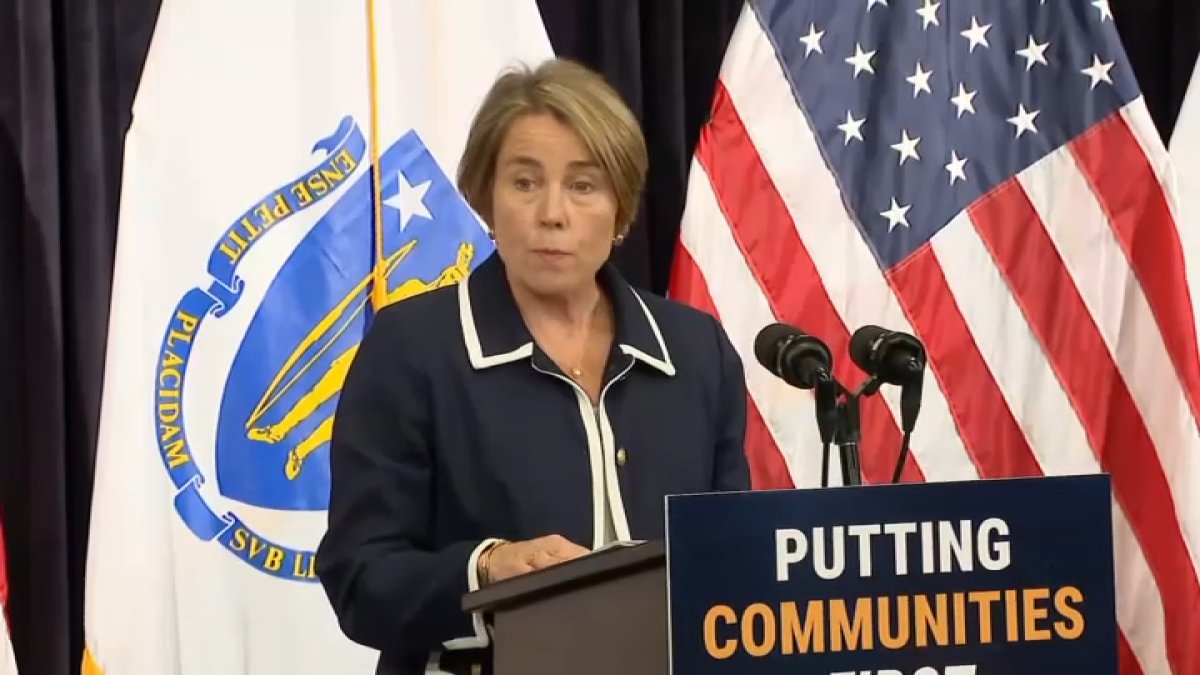
Gov. Maura Healey announced new regulations surrounding the development of prospective data centers in Massachusetts on Tuesday, an effort she says will support community involvement in the process.
“We’re putting communities in the driver’s seat here and we’re laying out the rules so there’s clarity and there’s certainty in data center development,” the governor said from a press conference at the Massachusetts State House.
Stream NBC10 Boston news for free, 24/7, wherever you are.
Under a new executive order, data centers will need to get local community support to secure state permits, including having a community benefits agreement in place with the host community. The process will also need to be transparent, with no use of non-disclosure agreements between any state agencies and developers.
Data centers will also be required to either supply their own clean energy or pay into a rate payer protection fund, a measure that Healey said will protect residents from higher utility bills brought on by increased energy use.
Developers will also have to provide proof that the projects won’t be detrimental to the environment or water supply. They also need to show benefits to communities, like job creation.
The new regulations only apply to the development of new data centers, which means the rules won’t impact legal battles ongoing in communities with established data centers, like Lowell.
The debate around artificial intelligence data centers is one of the rare modern issues that seems to have cut across party lines, demographics and geography.
An NBC News Decision Desk Poll powered by SurveyMonkey, conducted from Aug. 20 through Sept. 1, found that 69% of respondents oppose the construction of AI data centers in their local area, with 45% saying they “strongly oppose” the idea.
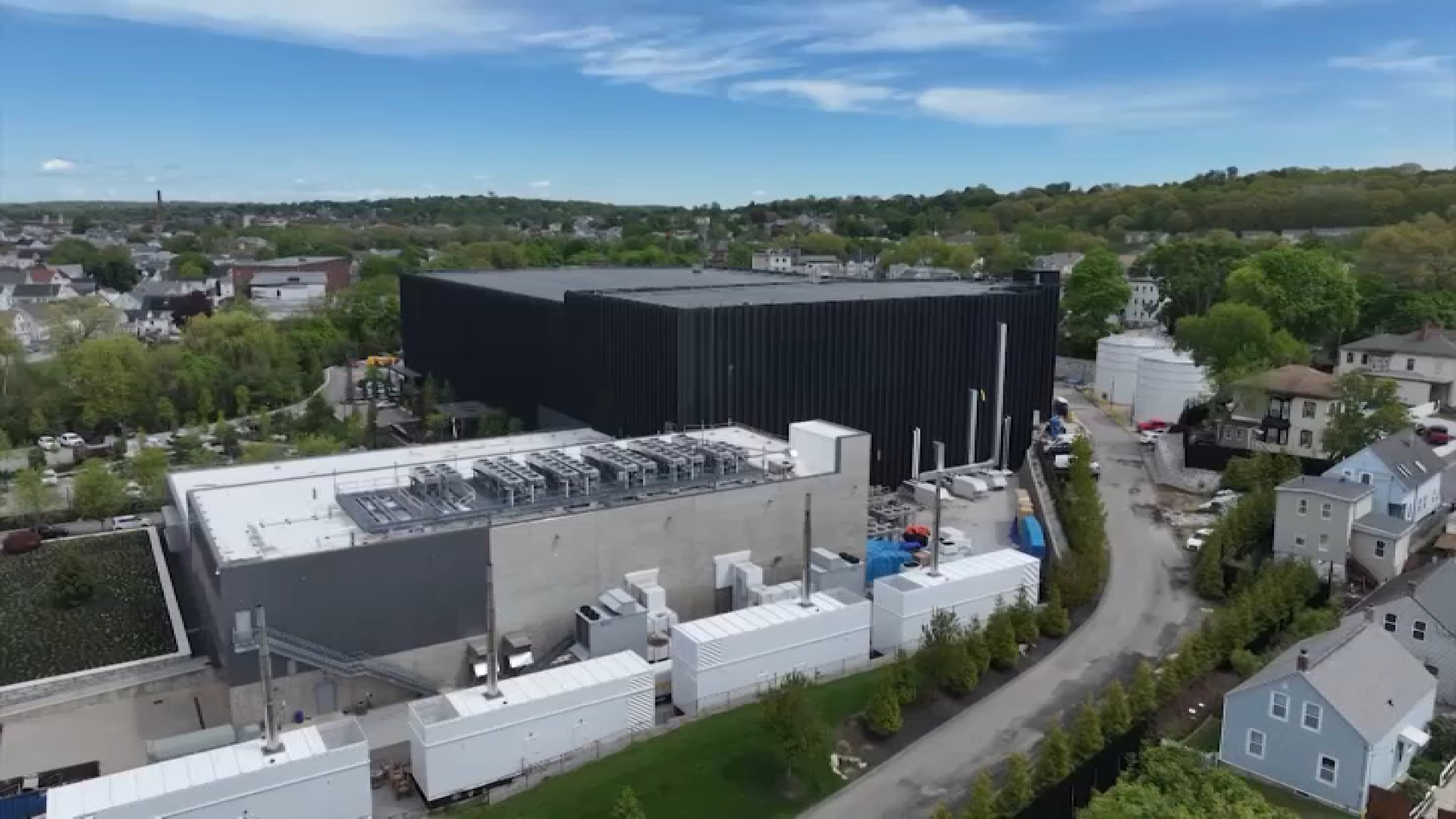
Neighbors say a Lowell artificial intelligence facility has impacted their quality of life.
As artificial intelligence fuels demand for data centers nationwide, Massachusetts has been grappling with how to balance the industry’s economic benefits with concerns over its environmental impact.
Supporters say data centers create high-paying jobs, attract investment and strengthen the state’s digital infrastructure. Critics argue that the facilities consume enormous amounts of electricity and water while creating air and noise pollution.
The debate has been playing out in Lowell, where the Markley Group invested more than $600 million to transform the former Prince Spaghetti factory into a 14-acre data center campus, which the company said is different from the hyperscale data centers driven by the AI boom.
Before Markley purchased the property in 2015, the site had sat vacant for nearly two decades. As the facility continues to grow, so does the demand for skilled union labor.
Markley said it’s still building out about half of its available space. Converting an empty room into a fully operational suite takes about six to eight months.
Political commentator Sue O’Connell talks about the issues members of both parties are taking with artificial intelligence and data centers.
Environmental advocates say the rapid growth of data centers comes with significant tradeoffs.
Quentin Good, a policy analyst with Frontier Group, said hyperscale data centers require enormous amounts of electricity. He also pointed to concerns about air and noise pollution in surrounding communities.
Massachusetts is home to roughly 50 data centers, most of them located in Greater Boston.
In 2024, the Massachusetts Legislature approved a tax incentive to encourage data center development. But Healey pressed pause in June. She laid out new expectations for future projects and said developers should protect communities from higher energy costs while addressing environmental concerns.
The new framework aimed to support responsible data center growth while ensuring host communities are not left to bear the costs, but the debate over data centers continues across Massachusetts. As AI drives demand for more computing power, state leaders are trying to strike a balance between encouraging data center growth and protecting the communities that host the facilities.
Lowell and Mansfield have approved moratoriums on new data center development, while Holyoke was the first city in the state to enact a citywide ban.
More on data centers
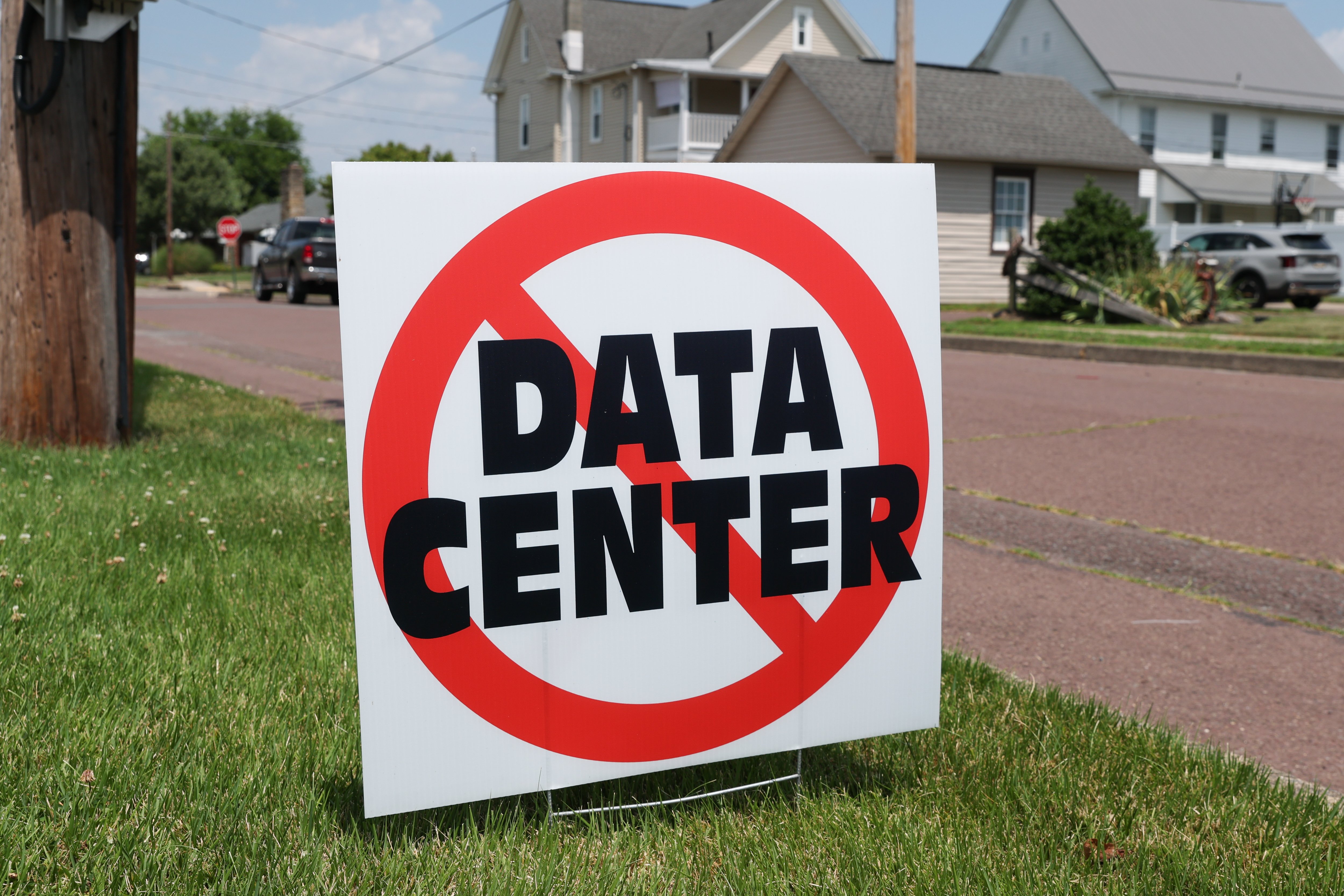
As Trump pushes for data centers, voters in key midterm races say they don’t want them
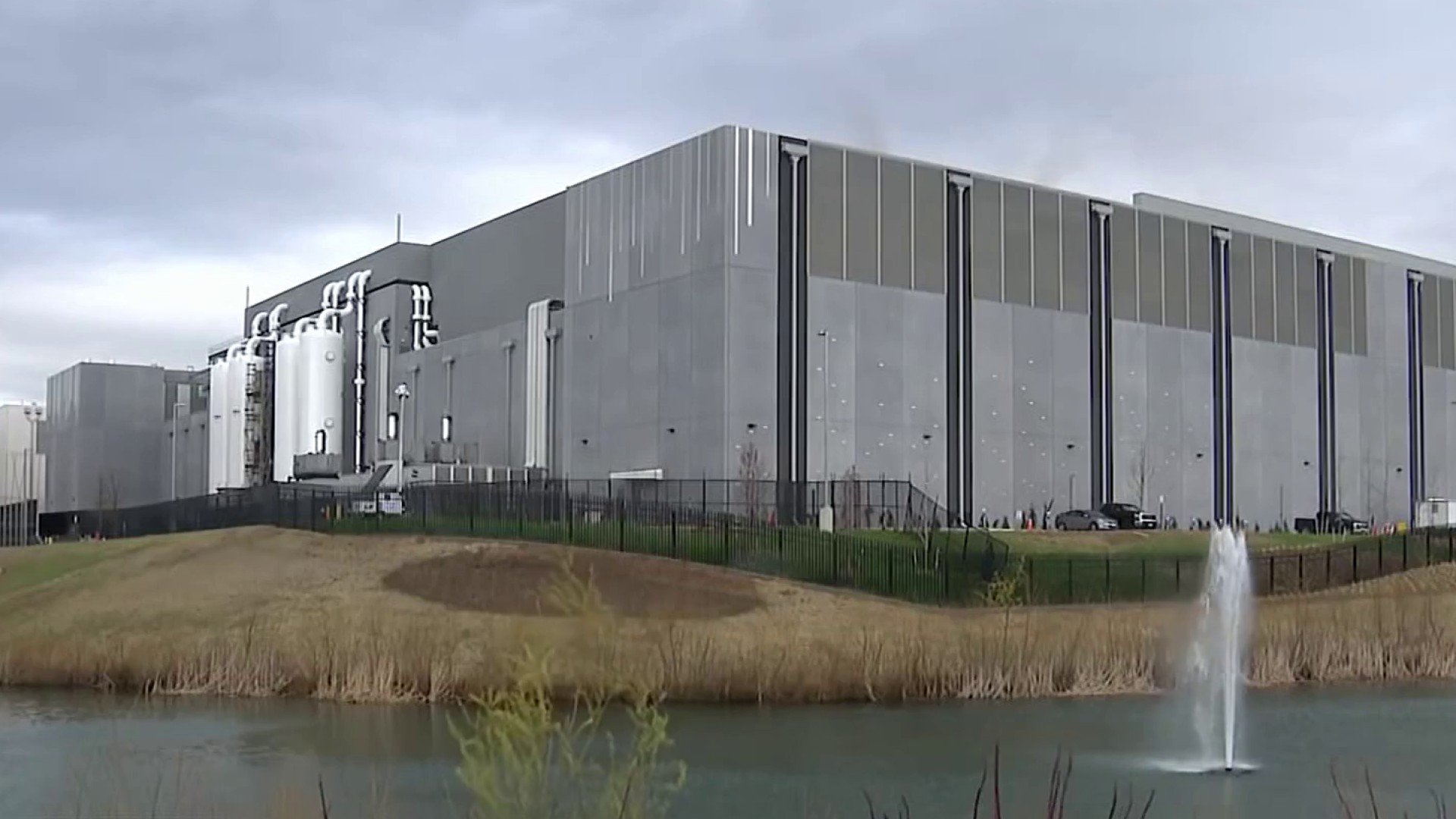
EPA proposal could leave the public in the dark on data center plans
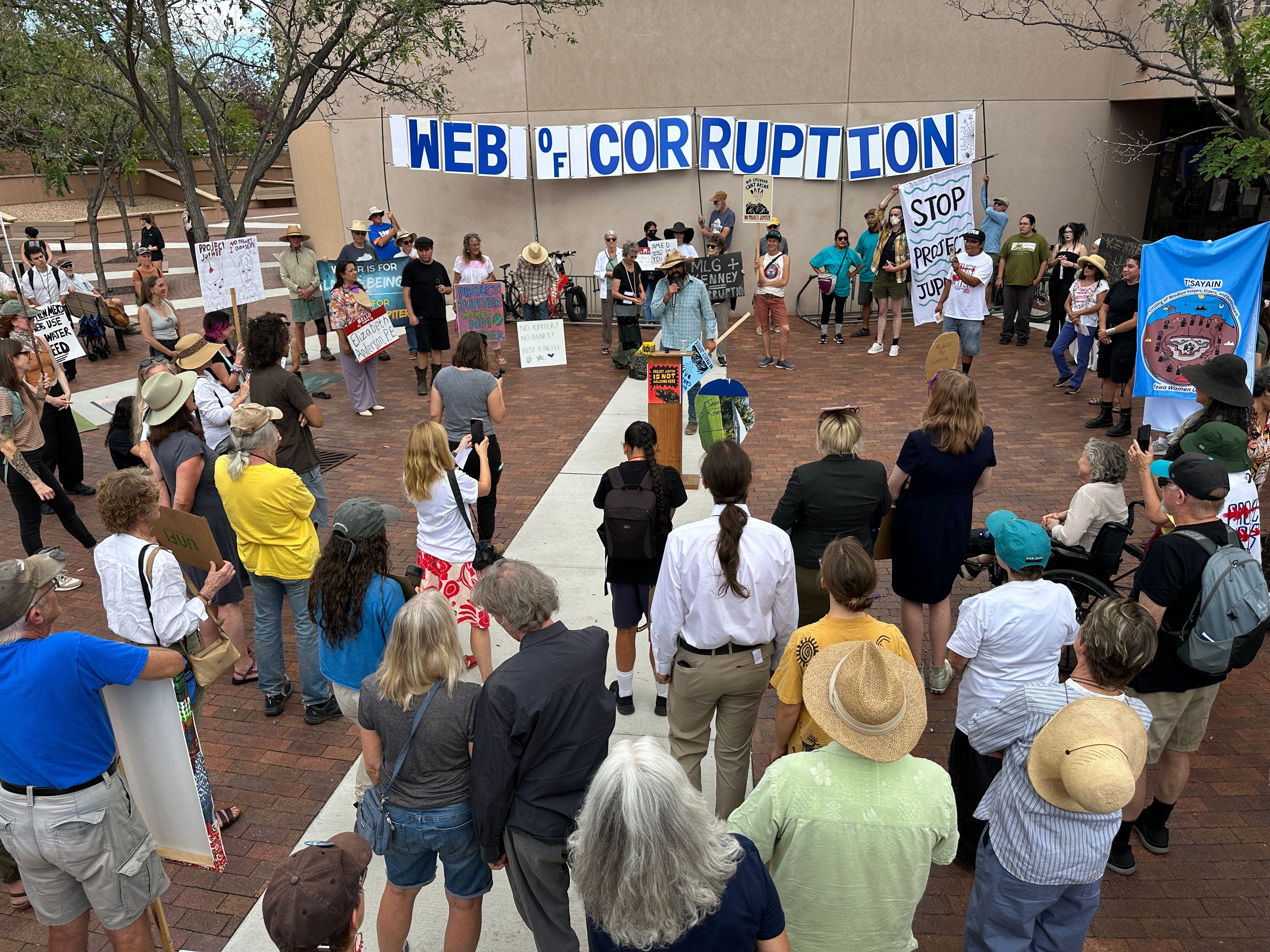
In a divided America, left and right unite to oppose artificial intelligence data centers