
For years, becoming a recognised name in Ghana’s entertainment industry largely meant finding a place within established spaces such as music, television, radio, film or traditional advertising. The rise of social media has changed that pathway.
Today, creators can build audiences independently, establish recognisable personal brands and attract commercial opportunities before ever becoming part of the traditional entertainment system.
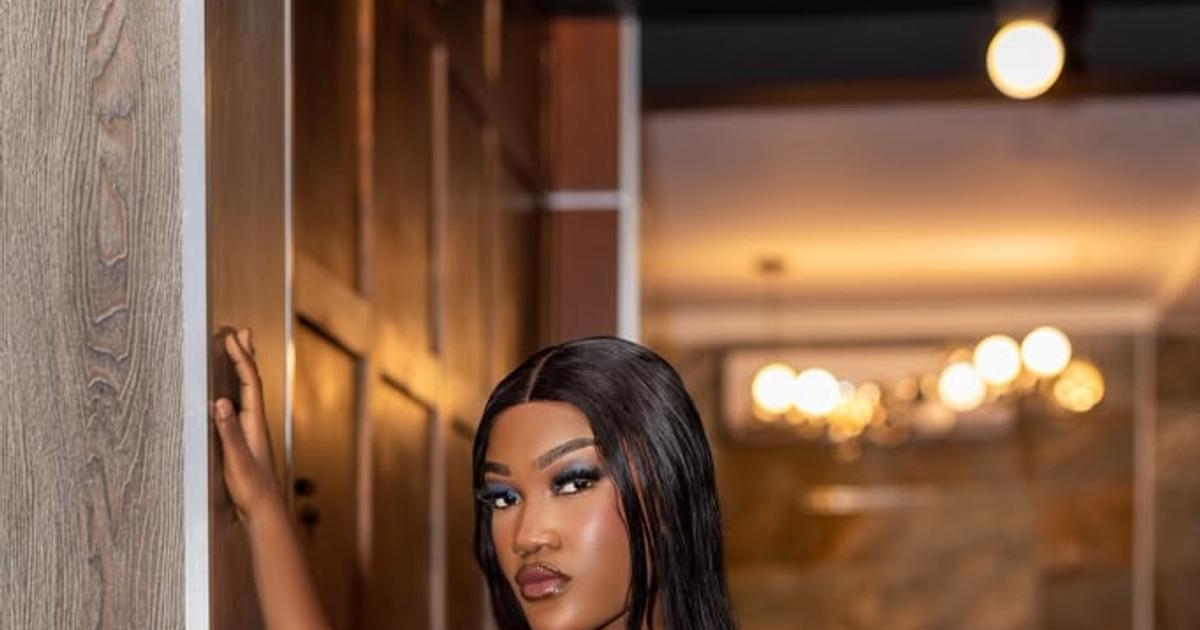
Blessing Adoma is one example of this changing landscape.
Known for her presence on TikTok, where she has built an audience of millions, Blessing’s career is increasingly extending into spaces beyond the platform that first introduced her to a wider audience. Her growing list of commercial collaborations and public-facing campaigns suggests a shift from simply creating content for social media to building a broader identity as a young entertainment personality.
That distinction matters.
A large social-media following can provide visibility, but visibility alone does not automatically translate into a sustainable career. For creators, the more significant step is learning how that audience can create opportunities outside the platform itself.
For Blessing, advertising has been one of the clearest examples.
Her work with brands including AngelDrink, alongside actress Nadia Buari and Angel TV, as well as collaborations involving Pepsodent, Bisame AppStore, Luven Cosmetics and Sarkba’s Luxury Hair, demonstrates how her digital presence has become relevant to companies seeking direct connections with younger audiences.
These partnerships also highlight a broader change in the way brands communicate.
Instead of relying exclusively on conventional advertising channels or established celebrities, companies can now work with creators who already have relationships with specific online communities. A creator’s personality, familiarity with an audience, and ability to produce content in a native social-media format can become part of the value they offer to a campaign.
In that sense, Blessing’s audience functions as more than a follower count. It has become part of the professional capital attached to her name.
Her involvement in public-awareness campaigns provides another dimension to that transition.
Blessing Adoma has used her platform in initiatives focused on issues affecting young people, including road safety and teenage pregnancy awareness. Most recently, she partnered with the Samuel Whyte Foundation on a road-safety campaign designed to encourage safer pedestrian behaviour among young people.
The campaign demonstrates how a creator’s communication skills can extend beyond entertainment content. Rather than simply posting for engagement, Blessing’s role involves using the familiarity she has developed with a young digital audience to communicate a public message in a format that feels accessible to that audience.
That movement between entertainment, advertising, and social campaigns is increasingly becoming part of the creator economy.
It also raises an important question: when does a TikTok creator become more than a TikTok personality?
The answer is not necessarily determined by follower numbers.
It can be seen in the types of opportunities a creator receives, the organisations willing to work with them, the audiences they can reach, and whether their personal brand remains relevant when removed from the platform where they first became known.
Blessing’s career provides an interesting example of this transition.
Her TikTok presence remains an important part of her identity, but the opportunities surrounding her increasingly exist outside the TikTok feed. Brand campaigns, public-awareness initiatives and other entertainment-related engagements create spaces where her value is not simply measured by how many people watch a particular video.
This is part of a much wider development within Ghana’s entertainment industry.
The traditional boundaries between influencer, entertainer, advertiser and content creator are becoming less defined. A person who begins by producing short videos for social media can potentially move into brand campaigns, television appearances, events, acting, music-related projects and other forms of entertainment.
For younger creators especially, social media can therefore function as an entry point rather than a final destination.
Blessing’s journey illustrates that shift at a particularly interesting stage. She began creating content in 2022 and has since built a substantial digital audience, but the significance of her career now lies increasingly in what that audience makes possible beyond the platform itself.
Her commercial collaborations show that brands recognise the value of her connection with young audiences. Her involvement in advocacy campaigns shows that the same platform can be used for purposes beyond commercial entertainment. Together, these activities point toward a creator developing a professional identity that is broader than the label of “TikToker.”
That evolution could become increasingly important as Ghana’s creator economy matures.
For the entertainment industry, creators bring something traditional talent pipelines have not always been able to provide: an audience that already exists before the creator enters a new space. For brands, they can offer direct access to communities that are often difficult to reach through conventional advertising. And for creators themselves, social media can provide the visibility needed to pursue opportunities that extend into the wider creative economy.
Blessing Adoma’s story, therefore, is less about TikTok alone and more about what can happen after a creator establishes an audience.
The platform may have provided the stage, but the opportunities developing around her career suggest that her ambitions and professional identity are beginning to extend beyond the screen.
As Ghana’s entertainment ecosystem continues to adapt to the influence of digital creators, Blessing represents a generation for whom social media is not simply a place to publish content. It can be the starting point for building a career across advertising, entertainment, advocacy, and the broader creative industry.
Entertainment07.01.2026
General Knowledge Trid Know
Videos
More from Pulse Ghana

News27.09.2026
Nobody arrested or implicated in galamsey will go scot-free – Lands Ministry

Sports27.09.2026
Ampem Darkoa handed fresh hope to qualify for the 2026 CAF Women’s Champions League as CAF overturns Edo Queens’ penalty win

News27.09.2026
Mahama announces 1,200MW gas power plant to overtake Akosombo as Ghana’s biggest single power facility

News27.09.2026
ECG to cut power in parts of Accra and Ashanti region from September 28; See affected areas

Sports27.09.2026
List of Manchester City players Real Madrid are targeting amid City crisis

News26.09.2026
Ablakwa responds after some evacuated Ghanaians say they regret returning from South Africa

1 Comment
Pingback: PwC Africa Entertainment and Media Outlook 2026 launch - Axiom Core